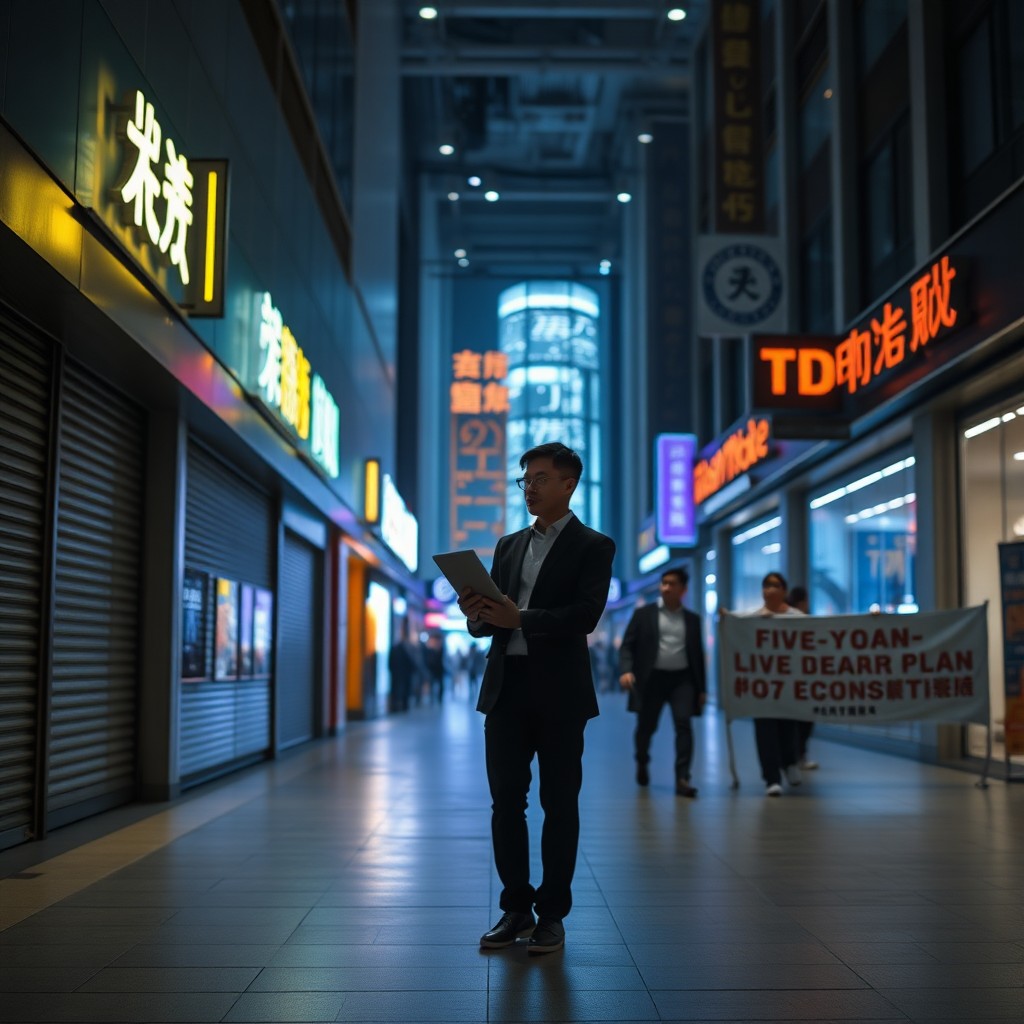
Hong Kong is navigating a complex landscape of economic, social, and political challenges. In the commercial sector, landlords of older office assets are bracing for the impact of artificial intelligence (AI) on their tenants. According to real estate consultancy Knight Frank, the wider adoption of AI by firms in the city may lead companies to relocate to newer buildings that better support their requirements [fonte_1]. This could force landlords to refurbish their assets or convert them for new uses.
On the economic front, the city's government has unveiled its first five-year plan to tackle economic gaps and boost quality jobs. Financial Secretary Paul Chan Mo-po stated that the plan aims to upgrade and transform the city's economy, with a focus on leveraging AI to create quality jobs [fonte_3]. The plan also includes the development of the Northern Metropolis megaproject.
In addition to these economic challenges, Hong Kong is also addressing social issues. The city's domestic helpers are facing difficulties in finding safe places to work and play. The community is grappling with the need for safe spaces for helpers to congregate on their days off, as well as providing an acceptable working environment inside the home during hot summer months [fonte_2].
In a separate incident, Hong Kong police are investigating the death of a four-month-old baby boy who was found unconscious at home [fonte_4].
The city's government has also been critical of international commentary on its national security law changes. Hong Kong authorities have hit out at The Washington Post for making "groundless allegations" about amendments to the city's home-grown national security law [fonte_5]. The government stressed that foreign businesses have no cause for concern.